

Community SL Testimonials AY2026
Nagasaki Foundation for the Promotion of Peace / Nagasaki University
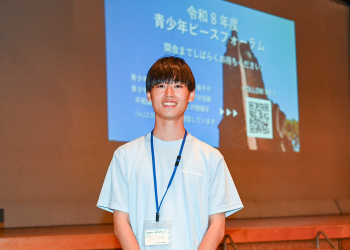
FUKASAWA, Ryosuke
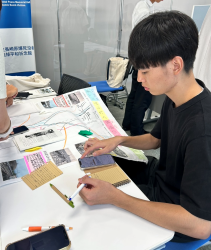
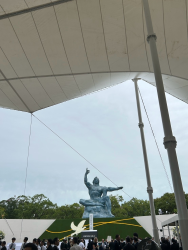
Although nuclear weapons are not my primary field of study, that is precisely why I found this program to be such a valuable opportunity. Through a variety of learning methods, including photographs, survivor testimonies, historical materials, virtual reality experiences, and workshops, I was able to learn about the realities of the atomic bombing and reflect on contemporary issues related to peace and nuclear disarmament. One of the most memorable aspects of the program was having the opportunity to listen to atomic bomb survivors' testimonies every few days. Beyond learning about their experiences, I gained a glimpse into their individual lives, personal histories, and everyday realities.
In Nagasaki, I spent a great deal of time walking around the city and visiting sites related to the atomic bombing, as well as buildings dating from the prewar and wartime periods. Exploring these places in person and reflecting on what I saw with my own eyes provided a level of understanding that cannot be gained through passive learning alone. It allowed me to feel the impact of the atomic bombing in a much more immediate and personal way. Furthermore, now that 81 years have passed since the bombing, opportunities to hear directly from survivors are becoming increasingly rare. Being able to learn from their firsthand accounts and hear their thoughts and experiences was therefore especially meaningful.
For those considering participating in this program, I would encourage you to spend as much time as possible outside the classroom and actively seek opportunities to meet people. The program offers a unique opportunity to examine peace education and nuclear disarmament from multiple perspectives, while allowing you to pursue topics that match your own interests and goals. Although there is a financial cost involved, I believe the experience is invaluable.
|
The Asian Rural Institute
SHIRASHOJI, Mana
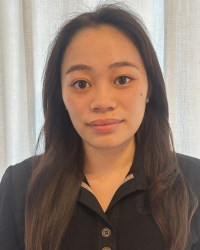
Through the Service-Learning Introduction course, I learned the principles of service-learning, how to write reflective journals, and how to examine my own positionality. This preparation enabled me to engage proactively in the program while remaining mindful of the needs of the host organization throughout my activities.
At the Asian Rural Institute (ARI), people from various countries, mainly across Asia and Africa, come together as students and volunteers to live and learn in a shared community. By participating in this communal lifestyle, I came to appreciate the importance of communication that respects cultural differences while encouraging mutual understanding and cooperation.
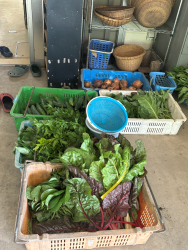
During the program, I participated in agricultural and livestock-related work and also had opportunities to interview students. One experience that left a particularly strong impression on me was speaking with a student from Myanmar, who shared stories about the conflict in their country, their personal experiences, and efforts toward peacebuilding. Another memorable remark was, “Life at ARI offers far more harvests than agriculture alone.” This statement deeply resonated with me. In reality, students at ARI learn not only agricultural skills but also community development, leadership, and ways to address issues such as discrimination and environmental challenges. I felt that this phrase beautifully captured the richness of the learning environment at ARI.
I joined the program with no prior experience in farming, caring for livestock, or preparing meals for large groups of people. However, by actively engaging with others and communicating openly, I learned a great deal and was ultimately able to build lasting friendships with fellow students. Through this experience, I realized that more important than possessing specialized skills is the willingness to participate as a member of the community and contribute alongside others.
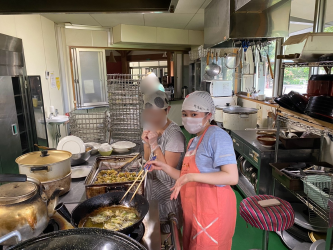
Cooking in large pots far bigger than anything I use at home was both exciting and rewarding. With the support of the staff, even beginners can join with confidence. 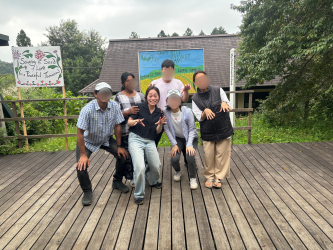
|
Nagano Tenryu Village (“Regional Resource Upcycle” Project sponsored by Middlebury College)
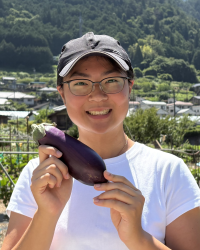
OKUBO, Saya
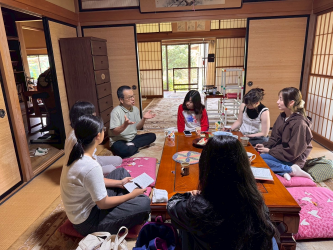
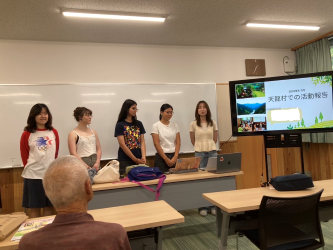
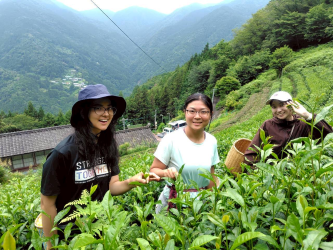
One of the most appealing aspects of this program was that there was no predetermined theme. Instead, we were able to design and develop our own project based on what we wanted to explore and experience. We visited a variety of places and spoke with many people as we gradually shaped our project. Although our days were busy, engaging directly with residents through conversations and shared experiences allowed us to make the most of each member's strengths. In addition, living and working alongside students from Middlebury College exposed me to diverse perspectives and taught me the importance of approaching others with an open mind and a willingness to understand them.
What left the strongest impression on me was the deep sense of connection among the people of Tenryu Village. Although each resident had a unique life story and background, they supported one another with warmth and care. They also welcomed me as if I were a member of the community myself. I came to realize that in a small village, every individual plays an important role, and together their contributions sustain the community. Experiencing the village's unique culture and values also encouraged me to reflect on my own values and way of life.
I made a conscious effort to value conversations with people in the village and fellow participants, and through those interactions, I realized that a genuine effort to understand people and communities can lead to insights that could only be gained through firsthand experience.
|
MORIUMIUS
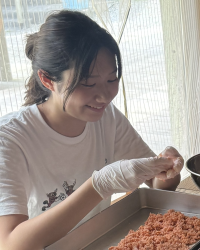
OKUBO, Yu
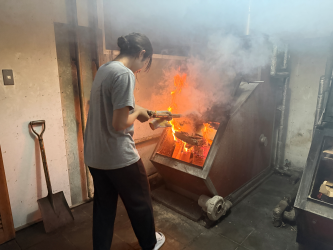
One of the greatest attractions of Service-Learning is the opportunity to spend a full month living on-site and immersing yourself in an environment filled with discoveries, insights, and learning opportunities from morning until night. What stood out most about my experience at MORIUMIUS was that the activities were not predetermined. Instead, I was able to think independently about how I wanted to participate and what approach I wanted to take. In addition, because information about the program and daily activities had been provided beforehand, I was able to engage in the experience without feeling overwhelmed or uncertain when I arrived.
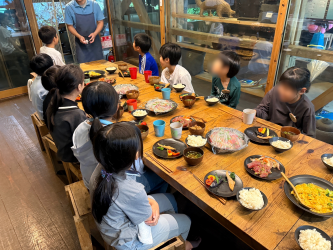
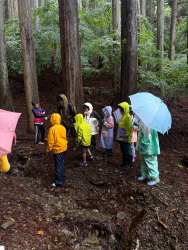
During my service activities, I spent a great deal of time with children ranging from elementary to junior high school age. Since I had never had many opportunities to interact closely with children before, I learned a great deal from observing their actions, listening to their thoughts, and spending time with them. The experience also prompted me to reflect on my own role. I found myself considering whether I should interact with the children primarily as a university student or as an adult. Furthermore, simply living each day in the rich natural environment of Ogatsu, Ishinomaki City, Miyagi Prefecture, which was so different from my usual university life, was a memorable experience in itself.
Through this program, I came to appreciate the importance of learning not only through preparation and study beforehand, but also by visiting a place in person, reflecting on what I experienced, and engaging in meaningful conversations with the people I met there. Challenging myself to try new things and stepping outside my usual environment through both the activities and daily life broadened my perspective and became an invaluable experience for my personal growth.
|
Matsusaka City (Matsuura Takeshiro Memorial Museum, Matsusaka City Hall) & ICU Hachiro Yuasa Memorial Museum
ATARASHI, Erika
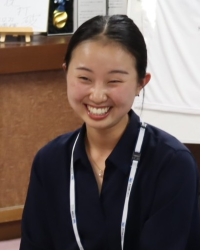
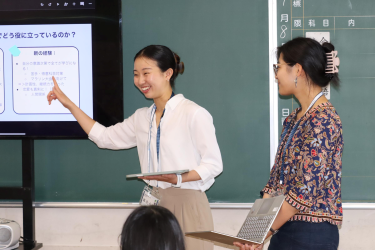
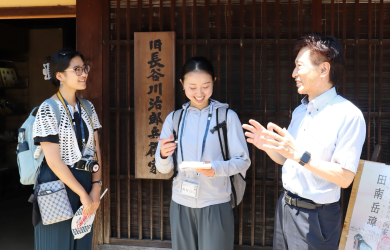
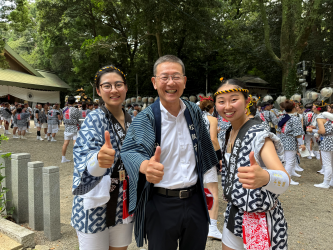
Through this Service-Learning experience, I gained valuable encounters and experiences that will greatly contribute to both my academic studies and future career path. While studying at university, I sometimes felt disconnected from the realities of society. However, by stepping outside the classroom and engaging directly with local communities and the people who live there, I was able to gain a deeper understanding of social issues and discover unexpected aspects of a community's unique appeal. These discoveries also encouraged me to reflect on how I engage with my own community.
During my activities in Matsusaka, I had the opportunity not only to visit local attractions and cultural heritage sites, but also, and more importantly, to connect with the people I met there. Wherever I went in the city, residents who clearly had a deep affection for Matsusaka warmly welcomed me and shared their stories. Through these interactions, I experienced firsthand what it means to live in a community where people know and care about one another. At the same time, I had opportunities to learn about local challenges, including welfare services, population decline, and the preservation of cultural heritage. These experiences led me to think about how the community's strengths could be leveraged to address such issues.
Above all, this experience taught me that meaningful connections with people are what foster a genuine sense of attachment to a place. I hope that future participants will embrace the program with curiosity, enjoy new discoveries, and welcome the changes in perspective that such experiences can bring.
|
NPO Kidsdoor

OGIYAMA, Karen
Through my Community Service-Learning (CSL) activities, I realized that there is still so much about Japan, the country where I have lived all my life, that I do not know. One of the greatest benefits of the program was the opportunity to experience the atmosphere of local communities firsthand and listen to people’s voices directly, something that cannot be fully understood through the internet. Through approximately one month of preparation and fieldwork, I gained knowledge and insights that could not be acquired through university lectures alone. The experience also sparked my interest in social issues that I had not previously paid much attention to, allowing me to view news and current events from new perspectives.
The most memorable part of the experience was working with the children. At first, they were cautious around me, but as I continued to visit and spend time with them, they gradually opened up. I was delighted when they shared stories about themselves, invited me to play with them, and even asked me for help with their studies. On the final day of the camp, one child told me, “I don’t want to say goodbye to you.” That moment made me realize the importance of the trust that can only be built through continuous engagement and genuine relationships.
Listening carefully to the voices of people in the community and reflecting on what I could contribute became one of the most valuable lessons of this experience. Service- learning is not something that ends when the activity period is over; it is a meaningful experience that continues to shape future learning and personal growth. By participating actively and wholeheartedly, students can discover new possibilities, gain fresh perspectives, and deepen their understanding of society.

|
Free Space Cosmo
KOKUBUN, Miki
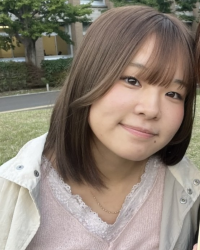
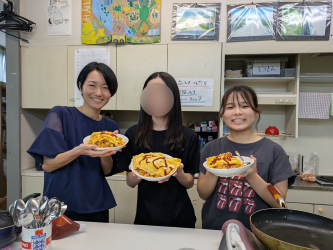
At first, I felt that completing 130 hours of service during the summer break would be a significant burden, and I wondered why so many hours were required. However, as I spent more time with the children at my activity site, I began to notice the unique personalities, thoughts, and feelings of each individual that I had not seen at first. This experience also made me realize that I had been judging them based on surface-level impressions. Through this process, I came to appreciate the significance of spending 130 hours in service.
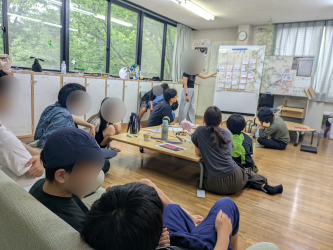
One of the most memorable aspects of my experience was working with the children at Free Space Cosmo. At the beginning, many of the children were reluctant to open up, but as we gradually built relationships through ongoing communication, they became more comfortable and began to show their true personalities. Another memorable experience was seeing a high school student whom I had supported academically during the spring term take on a new role as a youth staff member at Cosmo, supporting younger elementary and junior high school students during the summer.
For students who will participate in Service-Learning in the future, I hope you will not feel pressured to constantly “learn” something or “gain” something from your experience. By engaging with people openly and without preconceived expectations, you will be able to develop a deeper understanding of both the community and the people you encounter. Service-Learning is not only an opportunity to meet new people and discover different perspectives, but also a valuable chance to discover new aspects of yourself.
|
Okuma Future
OGURA, Yui
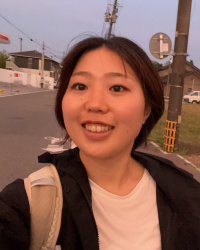
I participated in a self-arranged Service-Learning program, in which I independently planned my activities, including selecting the host organization and determining the schedule. Although I initially felt some uncertainty, the process helped me gain a deeper understanding of my own interests and values, while also leading to unexpected and meaningful encounters. Service-Learning is not only an opportunity to engage with communities and the wider world, but also a chance to better understand myself through learning from and interacting with others.
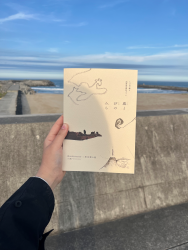
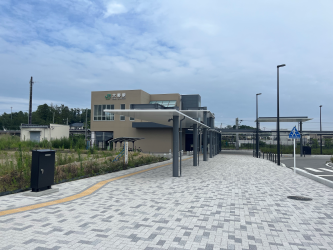
During my time in Fukushima, my perspective on the Great East Japan Earthquake and its aftermath changed significantly. Originally, I had intended to explore the region through a gender lens. However, once I arrived, I discovered that people from different sectors and backgrounds were working together to rebuild and strengthen their communities in areas still recovering from the disaster. Through this experience, I came to see the communities as examples of how people can work together to overcome challenges and build a better future. It also sparked my interest in new academic fields.
For those who are considering participating in Service-Learning, I encourage you to engage in your activities with your own questions, interests, and perspectives in mind. Even if you feel uncertain, I hope you will take the first step. The experiences you gain and the people you meet will provide valuable opportunities to reflect on your values, your future, and the person you want to become. I encourage you to embrace the challenge while also making time to reflect on yourself.
|